Yamunotri Gangotri Do Dham 2026 — 4N/5D Haridwar
Package Highlights
- ✓Yamunotri — source of sacred Yamuna River at 3,293m
- ✓Divya Shila puja + Surya Kund (88°C) hot spring
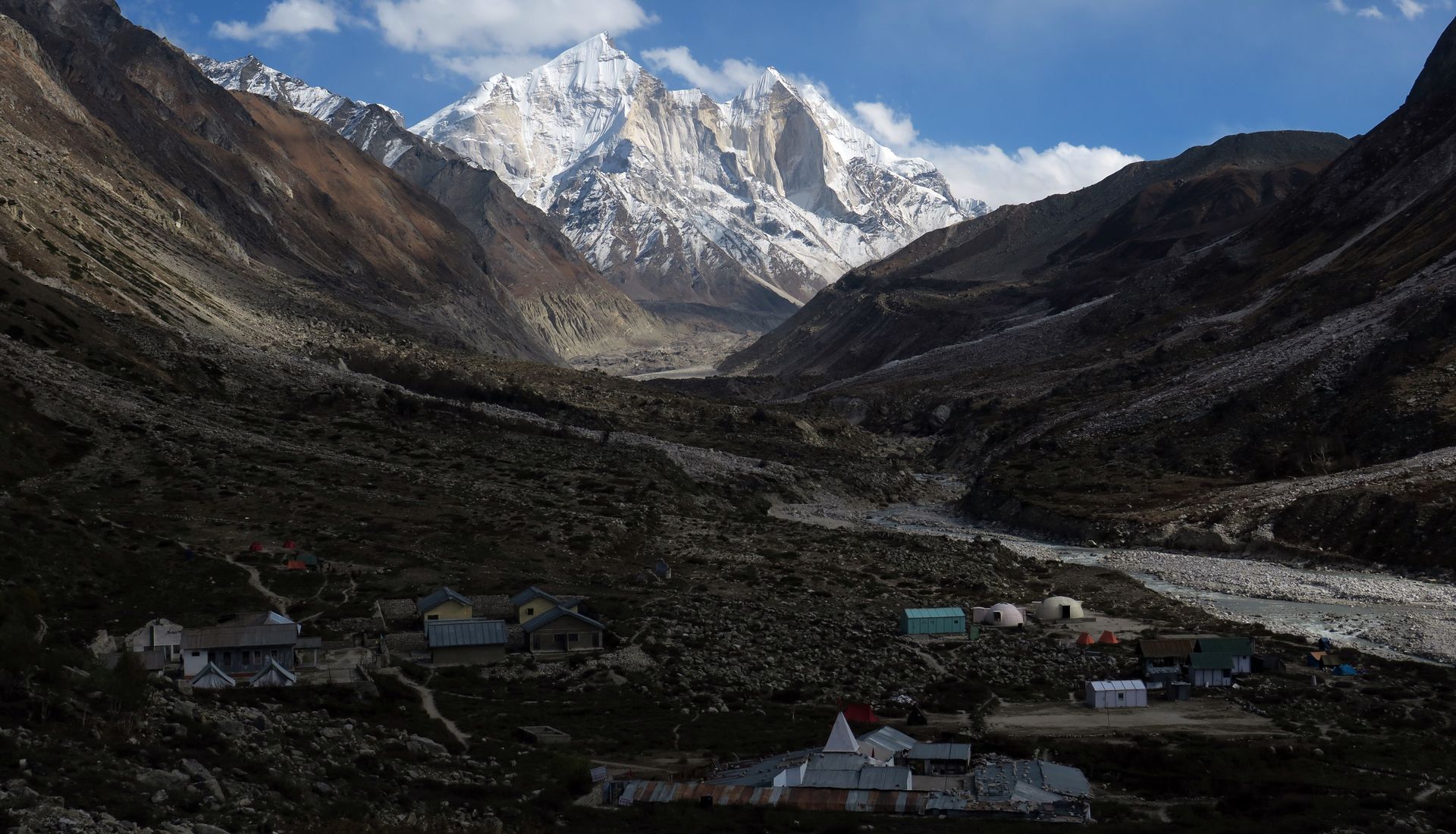
- ✓Gangotri — origin of holy River Ganga at 3,415m
- ✓Bhagirathi Asthapadhi Snana (holy dip in Ganga)
- ✓Harsil valley — one of India's most scenic valleys
- ✓Vishwanath Mandir at Uttarkashi
- ✓No high-altitude Kedarnath trek required
Who this itinerary is for
The two river-source dhams, without the Kedarnath trek. Yamunotri still means a 6 km walk or pony from Janki Chatti on Day 2, but Gangotri is reached by road on Day 3 and the highest overnight is Uttarkashi at 1,165 m, so altitude sickness is rarely an issue. At ₹7,100 and four nights it is the cheapest of the multi-dham itineraries and the one we suggest to first-timers who want to find out whether the hills suit them before committing to the full circuit. Day 4 is short — the Vishwanath temple at Uttarkashi and the drive down — and Day 5 is only Rishikesh to Haridwar. If you can add three nights, the Teen Dham package continues from Uttarkashi to Badrinath for ₹11,600 and adds a night at Harsil on the way.
Itinerary at a glance
Day by day
Depart 6 AM via Rishikesh, Narendra Nagar, Chamba, Naugaon to Barkot. Yamuna valley views. Overnight Barkot.
Distance220 kmMealsDinnerOvernightBarkot5 AM drive Janki Chatti. 6 km trek (pony/palki optional). Yamunotri temple (3,293m) darshan. Divya Shila puja. Surya Kund hot spring (cook rice/potatoes as prasad). Return Barkot.
MealsBreakfast · DinnerOvernightBarkotDrive via Uttarkashi to Gangotri. Asthapadhi Snana in Bhagirathi. Gangotri temple darshan, morning aarti. Suryakund, Brahma Kund. Optional evening puja. Overnight Uttarkashi.
MealsBreakfast · DinnerOvernightUttarkashiMorning Vishwanath temple, Shakti temple visit. Drive via Tehri, Devprayag. Overnight Rishikesh/Haridwar.
MealsBreakfast · DinnerOvernightDriveRishikesh visit: Laxman Jhula, Triveni Ghat. Haridwar Ganga Aarti. Tour ends.
MealsBreakfast · DinnerOvernightHaridwar — Tour End
The route, mapped
Where the yatra starts. We meet you at the railway station or your hotel.
✅ What's Included / Excluded
Standard package terms apply. What every package includes and excludes →
Where you stay
- Nights 1–2Barkot — Valley Lodges, Yamuna Valley · Standard mountain lodge
- Night 3Uttarkashi — Bhagirathi Riverside Stays · Deluxe
- Night 4Rishikesh / Haridwar
Twin-sharing as standard.
Compare with
Before you go
Dates and registration
Yamunotri and Gangotri are open between 19 April 2026 and 10 Nov 2026; each dham's kapat dates differ by a few days. Registration is compulsory and free, and we complete it for every guest on this package — see the registration guide and the closing dates if you are booking late in the season.
Run directly by Shiv Ganga Travels, Haridwar — founded by a retired Subedar Major, 4.5/5 from 76 Google reviews, no aggregator in between.
Ready to begin?
Free itinerary · Zero commission · Reply in 2 hrs